

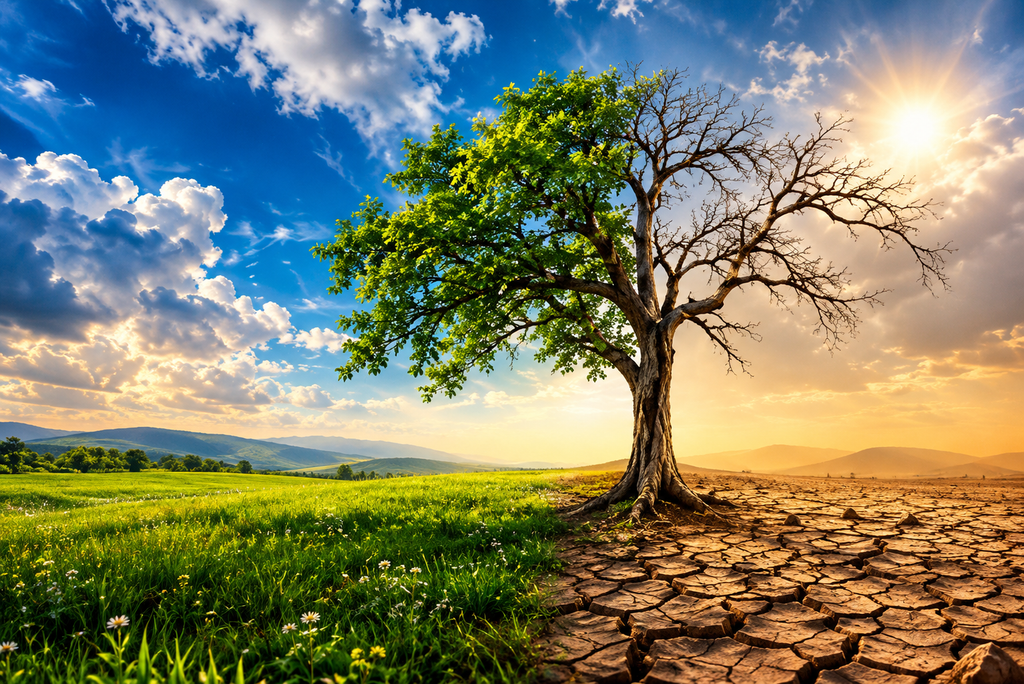
Pakistanisoneofthemostclimate-vulnerablecountries, with rising temperatures, altered precipitation patterns, and an increase in frequent extreme weather events.

There has been a sharp increase in floods and heatwavesinPakistanoverthepastdecade,whichisa huge threat to the economy, infrastructure, and human lives of Pakistan.
CausesofClimateChangeinPakistan
Pakistan’sclimateandgeographyexposeittonatural disasters. But human activities like deforestation, the
consumptionoffossilfuels,andindustrialactivitieshave only worsened the situation. The use of fossil fuels as a source of energy and transportation within the country has caused a large jump in greenhouse gases, hence
global warming. FloodsinPakistan
FloodsareaperennialissueinPakistan,withthenation having been hit by severe floods in 2010, 2011, 2014, and 2022. The 2010 floods were especially tragic, impacting more than 20 million people and resulting in extensive damage. The 2022 floods have also had a tremendous effect, with millions of people having been displaced and thousands of houses ruined.
CausesofFloods
TheprimaryreasonsforfloodsinPakistanare:
– Heavyrainfall:
Pakistanhasheavyrainfallduringthemonsoonseason, which can result in flash flooding.
– Glaciallakeoutburstfloods:
GlaciersinthenorthernpartofPakistanmeltandcause glaciallakestooverflow,resultingincatastrophicfloods.
– Poorinfrastructure:
The infrastructure of Pakistan, such as dams and levees,tendstobepoororpoorlymaintainedandis susceptible to flooding.
ImpactofFloods
Floodsimmenselyaffecttheeconomy,infrastructure, andhumanlivesofPakistan.Floodsdothefollowing damage:
– Lossoflife:
Floodscanbefatalinnature,andhumanbeingslose
theirliveswhiledrowning,electrocution,orsnakebites.
– Displacement:
Floodsmaydisplacemillionsofpeople,whohaveto abandon their homes and sources of livelihood.
– Infrastructuredamage:
Floodscandestroyroads,bridges,andbuildings, hindering economic activity and resulting in high economic losses.
HeatwavesinPakistan

Heatwaves are increasingly becoming a frequent occurrence in Pakistan, with the nation witnessing extreme heatwaves in recent years. The heatwaves haveseverelyimpactedhumanhealth,withthousands of individuals losing their lives due to heat-related complications.
CausesofHeatwaves
ThemajorcausesofheatwavesinPakistanare:
– Globalwarming:
Risingglobaltemperaturesarecausingmorefrequent and intense heatwaves.
– Urbanization:
Built-up environments absorbing and storing heat throughtheurbanheatislandeffectmayaggravate heatwaves.
ImpactofHeatwaves
Heatwavessignificantlyaffecthumanhealth,especially amongsensitivegroupsliketheelderlyandveryyoung children. The effect of heatwaves is:
– Heat-relatedillnesses:
Heatwavescanleadtoheat-relatedillnesses,suchas heat exhaustion and heatstroke.
– Mortality:
Heatwavesarefatal,andthousandsofindividualslose their lives due to heat illnesses.
SolutionstoClimateChange
Pakistan must implement a multi-pronged strategy to overcometheeffectsofclimatechange,whichincludes:
– Renewableenergy:
Pakistanmustshifttorenewableenergysourceslike
solarandwindpowertodecreasedependenceonfossil fuels.
– Disasterpreparedness:
Disaster preparedness and response systems in Pakistanmustbeenhancedtoreducetheeffectsof floods and heatwaves.
– Climate-resilientinfrastructure:
Climate-resilient infrastructure, such as dams, levees, andbuildings,mustbeinvestedinbyPakistaninorder to avoid floods and heatwaves.
– Climateeducation:
Pakistanicitizensmustimprovetheirknowledgeof climate change and its effects, as well as receive training for climate-resilient practices.
Conclusion
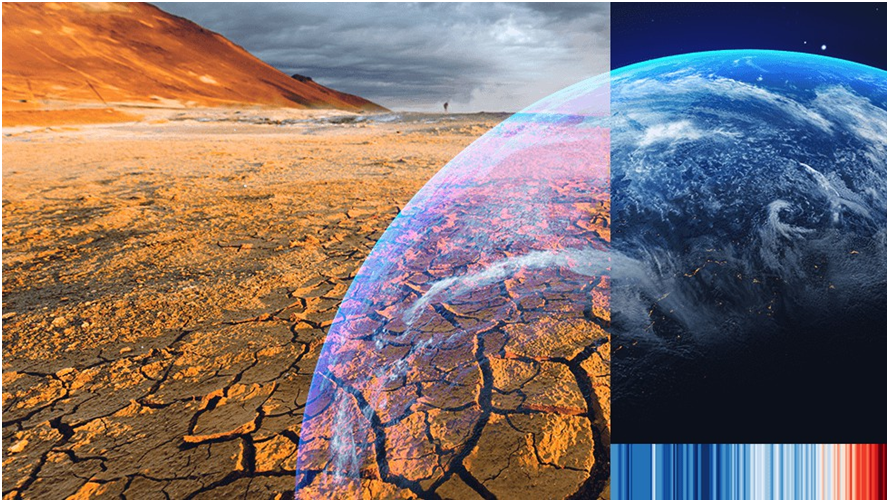
Climate change is a major threat to Pakistan, with the countrywitnessingincreasedandintensifyingfloodsand heatwaves.Inresponsetotheeffectsofclimatechange, Pakistan should adopt a proactive strategy that involves a shift to renewable energy, enhancing disaster preparedness, spending on climate-resilient infrastructure, and sensitizing its population to climate change.Throughthesemeasures,Pakistancanlimitthe
effectsofclimatechangeandconstructamore sustainable future for its people.
Recommendations
– Formulateanationalclimatechangepolicy:Pakistan needs to formulate a broad national climate change policy that details the vision, objectives, and plans of Pakistan for responding to climate change.
– Investinclimate-resilientinfrastructure:Pakistanneeds to invest in climate-resilient infrastructure like dams, levees, and buildings to shield against floods and heatwaves.
– Encourage use of renewable energy: Pakistan must encouragetheutilizationofrenewableformsofenergy, like solar and wind power, to slow down its usage offossilfuels.
– Improvedisasterpreparedness:
Pakistanmustimproveitsmechanismsfordisaster preparedness and response to try to minimize the effects of floods and heatwaves.
Through these initiatives, Pakistan can minimize the effectsofclimatechangeandensureamoresustainable future for its people.